





What is Artificial Intelligence? Definition and Key Concepts
Artificial Intelligence (AI) refers to computer systems that can perform tasks typically requiring human intelligence—such as learning, reasoning, problem-solving, perception, and language understanding. From virtual assistants to autonomous vehicles, AI is reshaping every aspect of our digital landscape, making machines smarter, more adaptive, and increasingly capable of independent decision-making.
AI represents a fundamental shift from traditional programming, where computers follow explicit instructions, to systems that can learn from data, recognize patterns, and make predictions or decisions with minimal human intervention.
Did You Know? The global AI market is expected to grow from $58.3 billion in 2021 to $309.6 billion by 2026, representing a 39.7% annual growth rate.
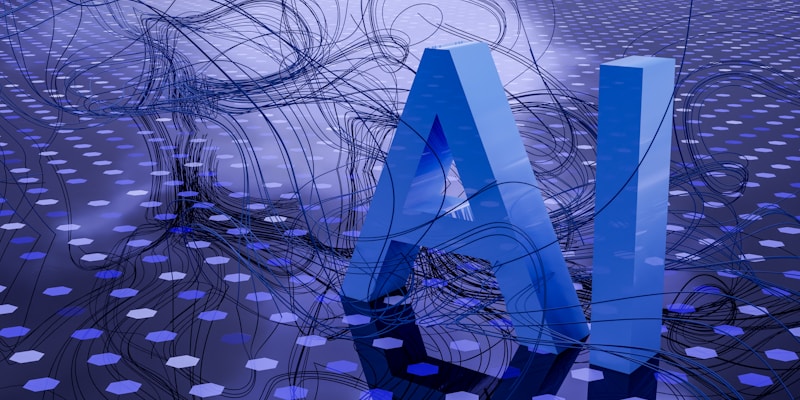
Neural network representation showing how AI processes information
AI systems operate through several key mechanisms that enable them to mimic human cognitive functions:
- Data Processing – Analyzes vast amounts of information to identify patterns and relationships
- Machine Learning – Algorithms that improve performance through experience without explicit programming
- Neural Networks – Computer systems modeled after the human brain’s interconnected neurons
- Deep Learning – Advanced neural networks with multiple layers for complex pattern recognition
- Natural Language Processing – Enables machines to understand and generate human language
- Computer Vision – Allows systems to interpret and analyze visual information
Why is AI Important?
AI is transforming our world by bridging the gap between human creativity and computational power:
Enhanced Efficiency and Productivity
- Automation – Streamlines repetitive tasks across industries
- 24/7 Operations – Systems that work continuously without fatigue
- Resource Optimization – Maximizes efficiency in energy, time, and materials
- Error Reduction – Minimizes human errors in critical processes
Advanced Decision Making
- Data-Driven Insights – Processes information far beyond human capacity
- Predictive Analytics – Forecasts trends and potential outcomes
- Real-Time Processing – Makes instant decisions based on current conditions
- Pattern Recognition – Identifies complex relationships humans might miss
AI Applications Transforming Industries
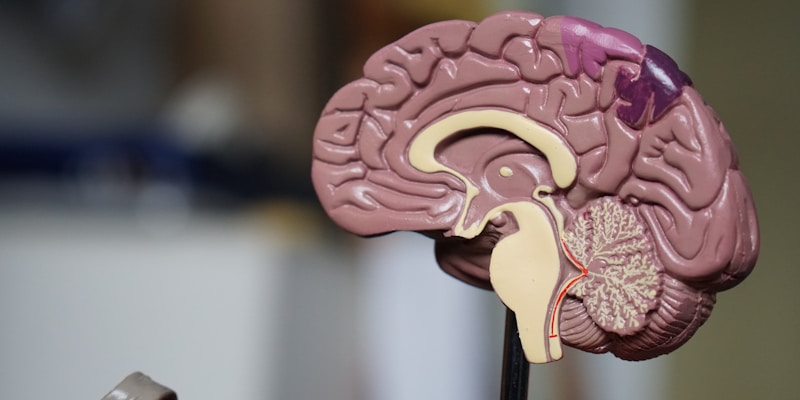
AI technology transforming healthcare through advanced medical diagnostics
1. Healthcare Revolution
Diagnostic and Treatment Enhancement
- Medical Imaging – AI analyzes X-rays, MRIs, and CT scans with superhuman accuracy
- Drug Discovery – Accelerates development of new medications from years to months
- Personalized Medicine – Tailors treatments based on individual genetic profiles
- Robotic Surgery – Enables precise, minimally invasive surgical procedures
Patient Care and Monitoring
- Virtual Health Assistants – Provide 24/7 health guidance and symptom checking
- Wearable Health Tech – Continuous monitoring of vital signs and health metrics
- Predictive Health Analytics – Identifies health risks before symptoms appear
2. Transportation and Mobility
Autonomous Vehicles
- Self-Driving Cars – Navigate complex traffic situations with advanced sensors
- Traffic Optimization – Reduces congestion through intelligent routing
- Predictive Maintenance – Prevents vehicle breakdowns before they occur
- Fleet Management – Optimizes routes and fuel consumption for commercial vehicles

AI revolutionizing financial services through automated analysis and fraud detection
3. Finance and Banking
Security and Fraud Detection
- Fraud Prevention – Detects suspicious transactions in real-time
- Cybersecurity – Identifies and responds to threats instantly
- Identity Verification – Biometric authentication and document validation
- Risk Assessment – Evaluates credit risks and investment opportunities

Personalized learning through AI technology in modern education
4. Education and Learning
Personalized Learning
- Adaptive Learning Platforms – Adjusts content difficulty based on student progress
- Intelligent Tutoring – Provides personalized instruction and feedback
- Language Learning – AI-powered translation and conversation practice
- Assessment and Grading – Automated evaluation of student work

AI transforming entertainment through content creation and personalized recommendations
5. Entertainment and Media
Content Creation and Curation
- Streaming Recommendations – Suggests movies, music, and content based on preferences
- Content Generation – Creates articles, videos, and creative works
- Gaming AI – Develops intelligent non-player characters and procedural content
- Video and Image Enhancement – Improves quality and creates realistic visual effects

AI enhancing business operations and team collaboration
6. Business and Enterprise
Customer Service and Support
- Chatbots and Virtual Assistants – Handle customer inquiries 24/7
- Sentiment Analysis – Monitors customer satisfaction across channels
- Predictive Customer Service – Anticipates and addresses issues before they arise

Understanding different types of artificial intelligence from narrow to general AI
Types of Artificial Intelligence
1. Narrow AI (Weak AI)
- Current Standard – Designed for specific tasks like image recognition or language translation
- Examples – Siri, Google Search, recommendation systems
- Limitations – Cannot perform tasks outside their specific domain
2. General AI (Strong AI)
- Theoretical Goal – Human-level intelligence across all cognitive tasks
- Current Status – Not yet achieved, subject of ongoing research
- Potential – Could perform any intellectual task that humans can
3. Superintelligent AI
- Future Possibility – Intelligence that surpasses human cognitive abilities
- Considerations – Significant ethical and safety implications
- Timeline – Highly debated among experts
Challenges and Concerns of AI
Technical Challenges
- Data Quality and Bias – AI systems can perpetuate biases present in training data
- Explainability – Many AI systems operate as “black boxes” with unclear decision-making processes
- Robustness – AI can fail when encountering situations different from training data
- Computational Requirements – Advanced AI systems require significant computing power and energy
Ethical and Social Concerns
- Job Displacement – Automation may eliminate certain types of employment
- Privacy Issues – AI systems often require vast amounts of personal data
- Algorithmic Bias – Unfair treatment of certain groups due to biased algorithms
- Autonomous Decision-Making – Questions about accountability when AI makes critical decisions
Important: While AI offers tremendous benefits, it’s crucial to address these challenges through responsible development, regulation, and ethical guidelines.
How to Prepare for an AI-Driven Future
For Individuals
- Develop AI Literacy – Understanding how AI works and its capabilities
- Focus on Human Skills – Emphasize creativity, emotional intelligence, and complex problem-solving
- Continuous Learning – Stay updated with technological developments and new tools
- Adapt Career Strategies – Consider how AI might impact your profession and prepare accordingly
For Organizations
- Invest in AI Training – Educate employees about AI capabilities and applications
- Develop AI Ethics Policies – Establish guidelines for responsible AI use
- Data Management – Implement robust data collection and management practices
- Gradual Integration – Start with pilot projects before full-scale AI implementation

The future of AI technology and its potential impact on society
The Future of AI: What’s Coming Next
Near-Term Developments (2024-2030)
Enhanced AI Assistants
- Multimodal AI – Systems that can process text, images, audio, and video simultaneously
- Improved Conversational AI – More natural and context-aware interactions
- Specialized AI Tools – Industry-specific AI solutions for various professional fields
Long-Term Possibilities (2030+)
Scientific Breakthroughs
- AI-Assisted Research – Accelerated discovery in physics, chemistry, and biology
- Climate Solutions – AI-driven approaches to environmental challenges
- Space Exploration – Autonomous AI systems for deep space missions
Societal Transformation
- Smart Cities – Urban environments optimized by AI for efficiency and livability
- Personalized Everything – Highly customized experiences in education, healthcare, and entertainment
- Human-AI Collaboration – Seamless partnerships between humans and AI systems
Conclusion: Embracing the AI Revolution
Artificial Intelligence represents one of the most significant technological advances in human history. Its impact extends far beyond mere automation, fundamentally changing how we work, learn, create, and interact with the world around us.
While challenges around ethics, employment, and security remain, the potential benefits of AI are transformative. From revolutionary medical treatments to solving climate change, AI offers unprecedented opportunities to address humanity’s greatest challenges.
The key to navigating this AI-powered future lies in thoughtful preparation, continuous learning, and responsible development. By understanding AI’s capabilities and limitations, we can harness its power while mitigating its risks.
The future belongs to those who can adapt, learn, and collaborate effectively with these intelligent systems.

