





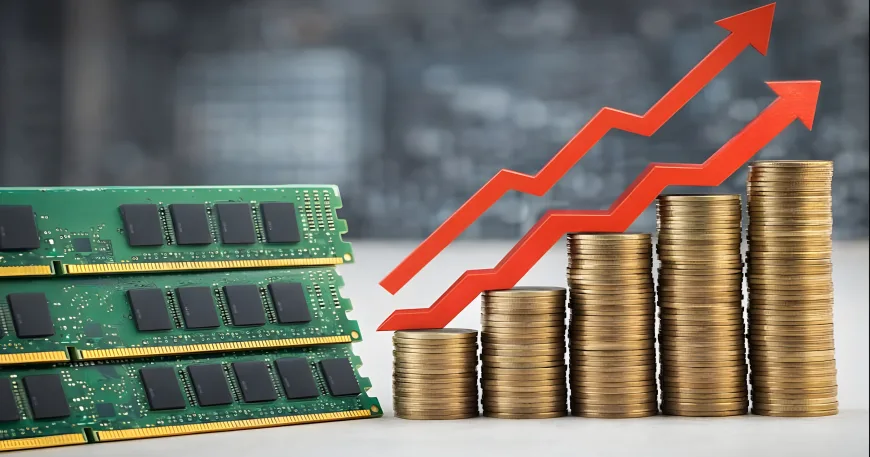
The global technology market is being rocked by a Dynamic Random Access Memory (DRAM) supply crisis that has caused RAM prices to soar drastically by more than 100 percent in the last three months.
Referring to the Windows Central report, this phenomenon is caused by the explosion in demand from the artificial intelligence (AI) industry which has absorbed almost the entire memory supply from the world’s major manufacturers.
AI Demand Becomes a Key Driver
Over the past few years, the RAM market has been relatively stable. However, a massive wave of investment in the AI sector has drastically changed the situation.
Tech giants like OpenAI, Google, and Nvidia are now racing to build high-capacity data centers to train AI models. These projects require large amounts of high-speed memory like DDR5 and HBM (High Bandwidth Memory), the same type used in consumer RAM.
The world’s three major RAM manufacturers—Samsung, SK hynix, and Micron—are now prioritizing shipments to the AI sector over the consumer market. As a result, inventory for mainstream devices like PCs, laptops, and smartphones has dwindled sharply, driving RAM prices up fourfold.
As an illustration, the Corsair Vengeance DDR5 64GB module, which previously sold for around USD 204.99, has now reached USD 879.99 (approximately Rp14.6 million) in less than three months. This situation has triggeredpanic buyingand stock shortages in various world markets.
PC prices will skyrocket starting in 2026
Rising RAM prices are now impacting various technology product lines. PC manufacturers like Maingear and CyberPowerPC have already raised the prices of their systems due to the rising memory costs.
TrendForce reports that Dell will raise PC prices by 15–20 percent in mid-December 2025, while Lenovo warns that their entire price list will be revised on January 1, 2026. HP CEO, Enrique Lores, even believes that personal computer prices could continue to rise until the second half of 2026 if the DRAM crisis does not improve.
Not only RAM, but the market for NAND Flash, the memory chips used in SSDs and digital storage, are also beginning to be impacted. Contract demand for NAND increased by 60 percent by November 2025, largely driven by orders for servers and AI data centers.
When Will the RAM Crisis End?
Analysts predict that the memory crisis could last until 2028, at least until new factories come online. Micron itself has invested $10 billion to build a new facility in Japan. However, chip production is not expected to begin until the second half of 2028.
According to Team Group General Manager Gerry Chen, DRAM contract prices have already risen between 80 percent and 100 percent by December 2025, marking the beginning of a ‘multi-year memory price hike cycle’.
The only scenario that could halt this crisis is if the “AI bubble” begins to subside. This would significantly reduce demand for DRAM and NAND.
However, as long as AI investment continues to increase, memory prices are likely to remain high and impact the prices of all tech devices, from PCs to smartphones.
