




“Any new technology, if it’s used by malicious people, can lead to harmful outcomes. But ultimately, this is a matter of how the technology is governed.”
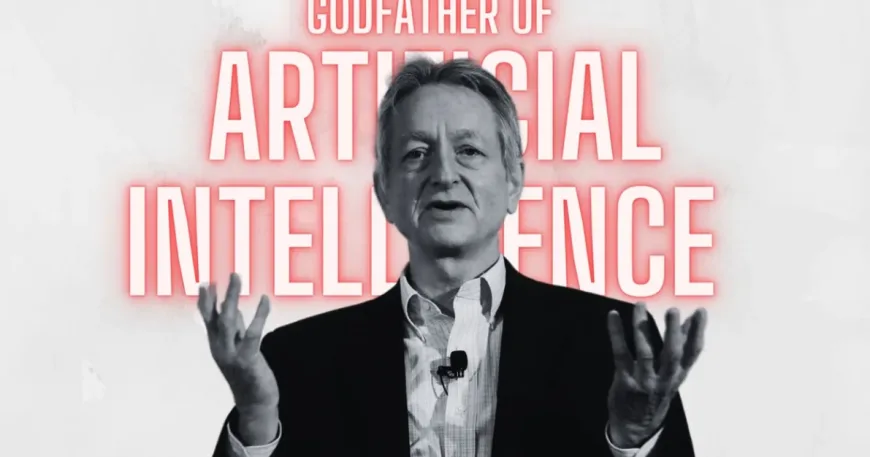
Geoffrey Hinton is widely recognised as one of the pioneers of artificial intelligence. For decades, his research focused on building machines capable of learning, reasoning, and solving problems in ways similar to humans. His contributions laid the foundation for many AI applications we now rely on, from smartphones and search engines to healthcare systems.
In recent years, Hinton has also spoken candidly about the risks that come with powerful technologies. While he strongly supports innovation, he consistently emphasises the need for careful oversight. This quote reflects his balanced perspective: it does not reject technology, but highlights the crucial role of human decisions, governance, and political systems in determining whether technology benefits or harms society.
Interpreting Geoffrey Hinton’s Quote
At first glance, Hinton’s message seems straightforward: harmful individuals can misuse any new technology. This is hardly a new idea. However, the deeper insight lies in his reference to “the politics of the technology.”
Hinton is pointing out that technology never exists in isolation. It is always shaped by regulations, economic incentives, power structures, and institutional decisions. These factors determine who controls the technology, who benefits from it, and who may suffer negative consequences.
For example, AI can support doctors by detecting diseases earlier and more accurately. At the same time, it can be used to violate privacy or spread misinformation. The difference does not lie in the technology itself, but in human choices, corporate priorities, and government policies.
Rather than blaming machines, Hinton urges us to examine the systems and rules that guide how those machines are developed and deployed.
Applying Hinton’s Message in Everyday Life
- Think critically before sharing information online.
- Use digital tools ethically and responsibly.
- Support companies that respect fairness, transparency, and privacy.
- Learn basic digital safety and security practices.
- Encourage open discussions about technology at home and at work.
- Stay informed about new technology laws and regulations.
- Teach children healthy and mindful technology use.
- Question apps or platforms that rely on manipulation or deception.
Why Technology Is Not Truly Neutral
Many people believe technology itself is neutral and that only its users determine whether it causes harm or good. In reality, this is only partly true. Design choices strongly influence how technologies are used.
Social media platforms, for instance, are built to maximise user engagement. This design supports advertising revenue, but it also contributes to addiction, misinformation, and online harassment. These outcomes are not accidental—they stem from business models and political decisions.
AI systems are another example. They are trained on large datasets, and if those datasets contain bias, the resulting systems may reinforce inequality. Without strong oversight and accountability, such technologies can amplify existing social problems.
Hinton’s quote draws attention to this often invisible layer of influence: the values and priorities embedded by those who design and control technology.
Geoffrey Hinton’s Concerns About AI
In recent years, Hinton has expressed growing concern about the future of advanced AI systems. One major fear is misuse. Technologies that generate realistic images, voices, and videos can be used creatively—but also for fraud, identity theft, and political manipulation.
He has also warned about economic disruption. Automation and AI could replace many routine jobs, leaving large numbers of workers struggling unless societies prepare for these changes. This could deepen inequality and social tension.
Another concern is the lack of global cooperation. Countries and companies are racing to build more powerful AI faster than their competitors, often at the expense of safety and ethical considerations.
All of these issues reinforce Hinton’s core message: the greatest risks do not come from intelligent machines alone, but from human systems that prioritise speed, profit, and power over responsibility.
Why This Quote Matters Today
Technology now shapes almost every aspect of daily life—education, work, healthcare, communication, and governance. Even small changes in digital systems can have consequences for millions of people.
Hinton’s words are a call for balance. He is not arguing against progress, but reminding us that innovation without responsibility can create long-lasting harm.
In an era of rapid technological change, this perspective is more relevant than ever.

